 EXTERIORS
Your hurricane season home checklist
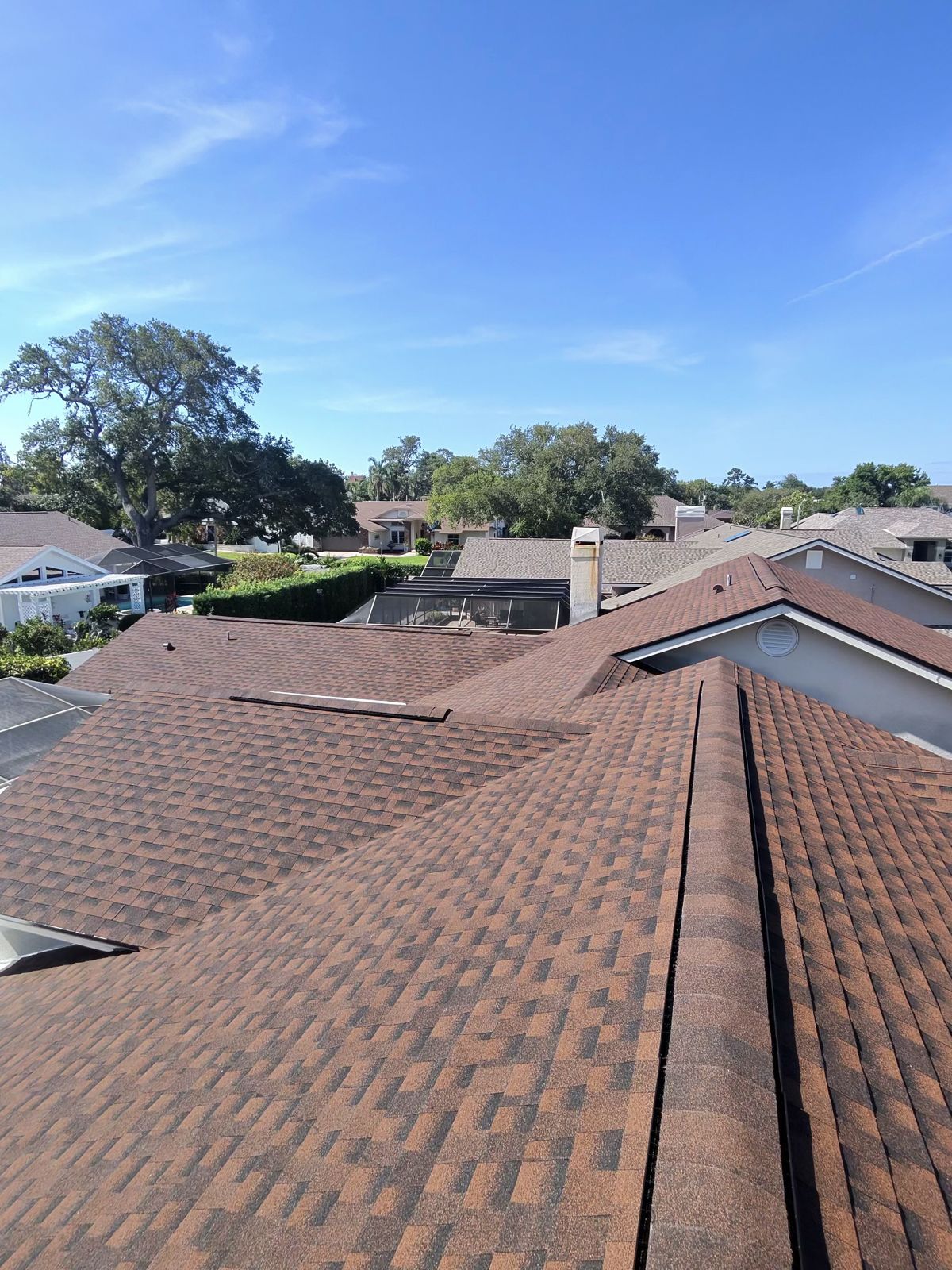
Florida's hurricane season runs June 1 through November 30 (Florida Division of Emergency Management). The best time to protect your home is long before there's a storm on the map.
Most of what keeps a home safe in a hurricane gets decided months ahead: the condition of the roof, how the windows and doors are rated, and whether the paperwork is in order. Here's the checklist we'd give our own families.
Before the season: your home's exterior
- Look at your roof. Missing or curling shingles, cracked tiles, stains on the ceiling, or granules in the gutters are all signs it's worth a closer look. Small repairs are much easier before a storm than after one.
- Clean the gutters and downspouts. When they clog, water backs up under the roof edge and spills against your foundation.
- Trim the trees. Dead or overhanging branches turn into debris in high winds. Keep them well clear of the roof and windows.
- Check every opening. Windows, sliders, entry doors, and the garage door are where storms usually get in. Know which ones are impact-rated and which still need shutters or panels, and make sure those fit and you know where the hardware is.
- Look at the seals. Cracked caulk around windows and doors, or worn weatherstripping, lets wind-driven rain in even when the glass holds.
Before the season: your paperwork
- Review your insurance. Florida's Department of Financial Services recommends making any changes to your wind and water coverage before June 1 (Florida CFO). Flood damage usually isn't covered by a standard homeowners policy and is bought separately.
- Get your wind mitigation inspection on file. If your home has impact windows, a newer roof, or hurricane straps, an inspection can unlock discounts on your windstorm premium. Here's how it works.
- Document your home. Take photos or a walk-through video of every room and the outside of the house, and keep them with your policy somewhere you can reach from your phone.
- Keep your project paperwork. Permits, product approvals, and warranties for your roof, windows, and doors all help with inspections and claims.
When a storm is coming
- Bring in patio furniture, grills, planters, and anything else that could become a projectile.
- Close and lock every window and door. On impact products, locking engages the hardware the unit was tested with.
- Install shutters or panels on any openings that aren't impact-rated.
- Know your evacuation zone and have supplies on hand. The state recommends at least 7 days of food, water, medicine, and batteries (Florida Division of Emergency Management).
After the storm
- Stay safe first. Don't climb on a wet or damaged roof. Stay away from downed lines.
- Photograph everything before you clean up, inside and out.
- Prevent more damage with a tarp or temporary fix if it's safe, and keep your receipts.
- Be careful who you hire. Storm chasers show up fast. Check any contractor's license on the state's DBPR license lookup, and don't sign anything under pressure.
If you'd like a second set of eyes on your roof, windows, or doors before the season, we're happy to come out. We educate and provide options. We don't preach one solution or pressure.
Want a pre-season look at your home?
We'll walk your roof, windows, and doors, and tell you honestly what can wait and what can't.
Get My Free EstimateMore from the blog
What a wind mitigation inspection can save you →How to choose the right impact door →Why roof quotes in Tampa can vary by thousands →See all articles →This article is general information, not insurance or legal advice. Always follow instructions from your local emergency management officials.