 EXTERIORS
Why roof quotes in Tampa can vary by thousands
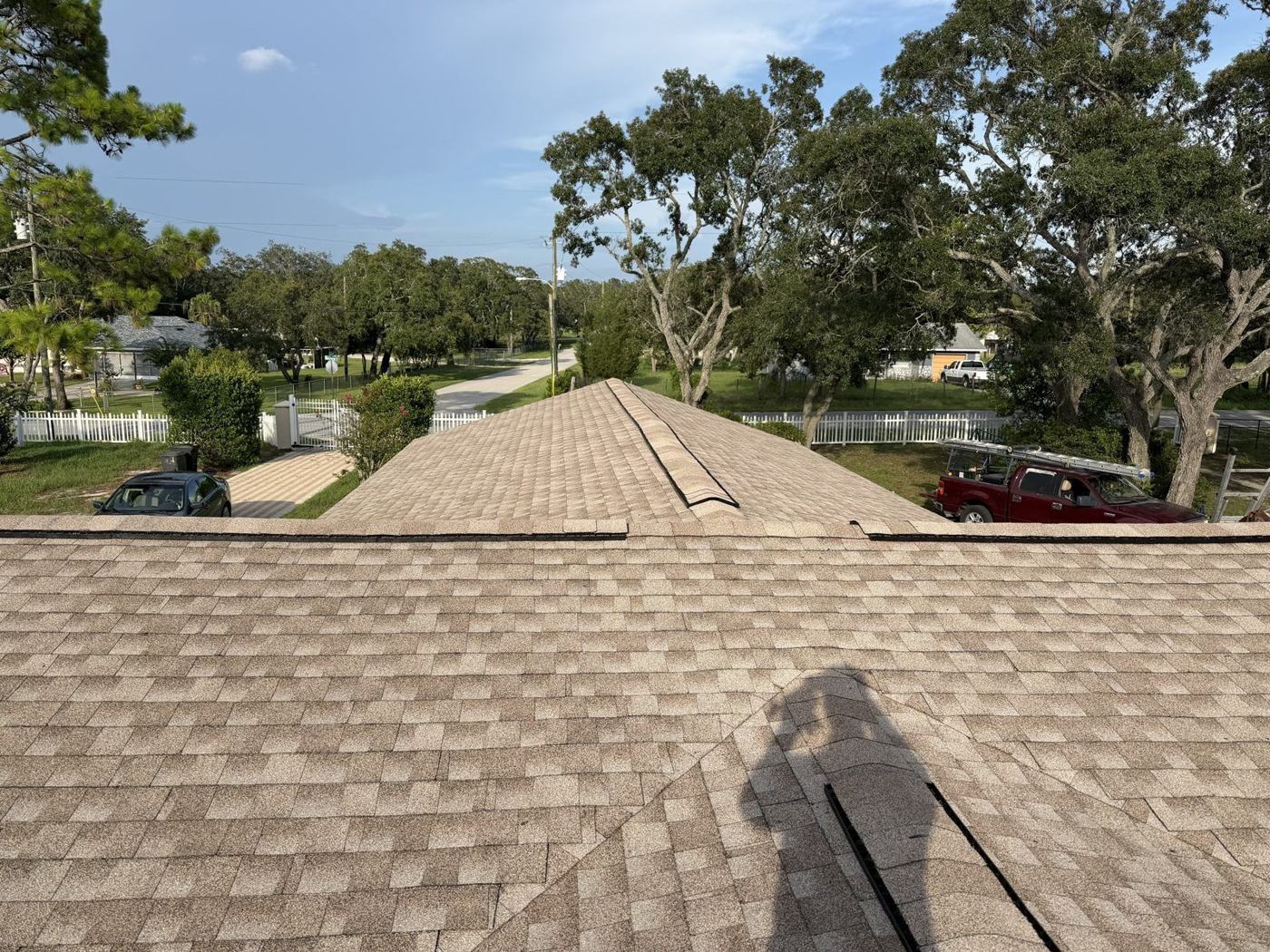
Two quotes can both say "meets Florida code" and still be two very different roofs. Most of the difference is in the parts you'll never see once the job is done.
Here are the four places we see quotes split apart most often, and the questions to ask any roofer, including us.
1. Peel-and-stick, or synthetic?
The underlayment is the layer under your shingles or metal. It's your roof's backup plan if the top layer gets torn off in a storm. For shingle and metal roofs, the Florida Building Code allows three ways to do it (FBC Residential, Section R905.1.1):
- Self-adhered ("peel-and-stick") underlayment over the entire roof deck
- Tape over the deck seams, with synthetic or felt underlayment on top
- Two layers of synthetic or felt underlayment
All three pass inspection. Only the first one is sealed to the whole deck, so if wind tears off shingles, water still has nowhere to go. That's a real cost difference, and it's one of the biggest reasons quotes don't match.
Ask: "Which of the three code options is in this quote?"
2. If it's peel-and-stick, which one?
They aren't all the same. Under metal and tile, it should be a high-temperature product built for that heat. We put ours in writing: GAF WeatherWatch under shingles and Polystick TU MAX under metal and tile.
Ask: "What's the brand and product name of the underlayment?"
3. Is the wall flashing being replaced?
New drip edge is standard on a re-roof. But where your roof meets a wall, the flashing is tucked behind the stucco or siding, and a lot of roofers leave the original in place. Code only requires existing flashing to be replaced when it's rusted, damaged, or deteriorated (FBC Existing Building, Section 706.5).
Now you have a new roof with old flashing. If it leaks there, is your roofer going to take responsibility, or blame the wall? We replace it and own that transition.
Ask: "Are you replacing the flashing where the roof meets the walls?"
4. How is rotted wood handled?
Nobody knows exactly what's under your old roof until it comes off. That's why we inspect your attic before we quote, to spot as much as we can ahead of time. And a good proposal tells you up front how any damaged decking will be priced, so it isn't a surprise bill after tear-off.
Ask: "If you find rotted wood, how is it priced, and will I see photos first?"
The bottom line
The lowest quote isn't always a bad deal, and the highest isn't always the best roof. Compare what's actually included. Already have a quote? We're happy to walk through it with you, even if you don't hire us.
Want a second opinion on your roof quote?
We'll inspect your roof, show you photos, and give you honest options in writing.
Get My Free Roof EstimateMore from the blog
Your hurricane season home checklist →What a wind mitigation inspection can save you →How to choose the right impact door →See all articles →This article is general information, not engineering or legal advice. Code requirements can vary by jurisdiction.